MaxIV-6769
An impressive study visit to MAX IV and the ESS
We have been stimulated by many interesting and inspiring events during this year’s MedTech Week 2017. The week reached an apex on our fifth and last day when we travelled south to Scania.
Scania
Scania (or Skåne) is the southernmost part of Sweden and of the Scandinavian peninsular. Centuries ago, this territory was a part of Denmark. The 12 km Öresund Bridge connection to Denmark, (famous from the TV crime-thriller The Bridge/Bron/Broen), opened on 1 July 2000. Since then, the metropolitan areas of Danish Copenhagen and Swedish Malmö have been entwined. This has created a synergy on both sides of the water. Scania and greater Copenhagen form the Öresund Region with 3.9 million inhabitants – by Scandinavian measure, densely populated.
According to Stefan Johansson, Managing Director of Invest Skåne and concluding speaker at the MedTech Week event on June 20, Scania is a small part of Sweden but an important part of the world.
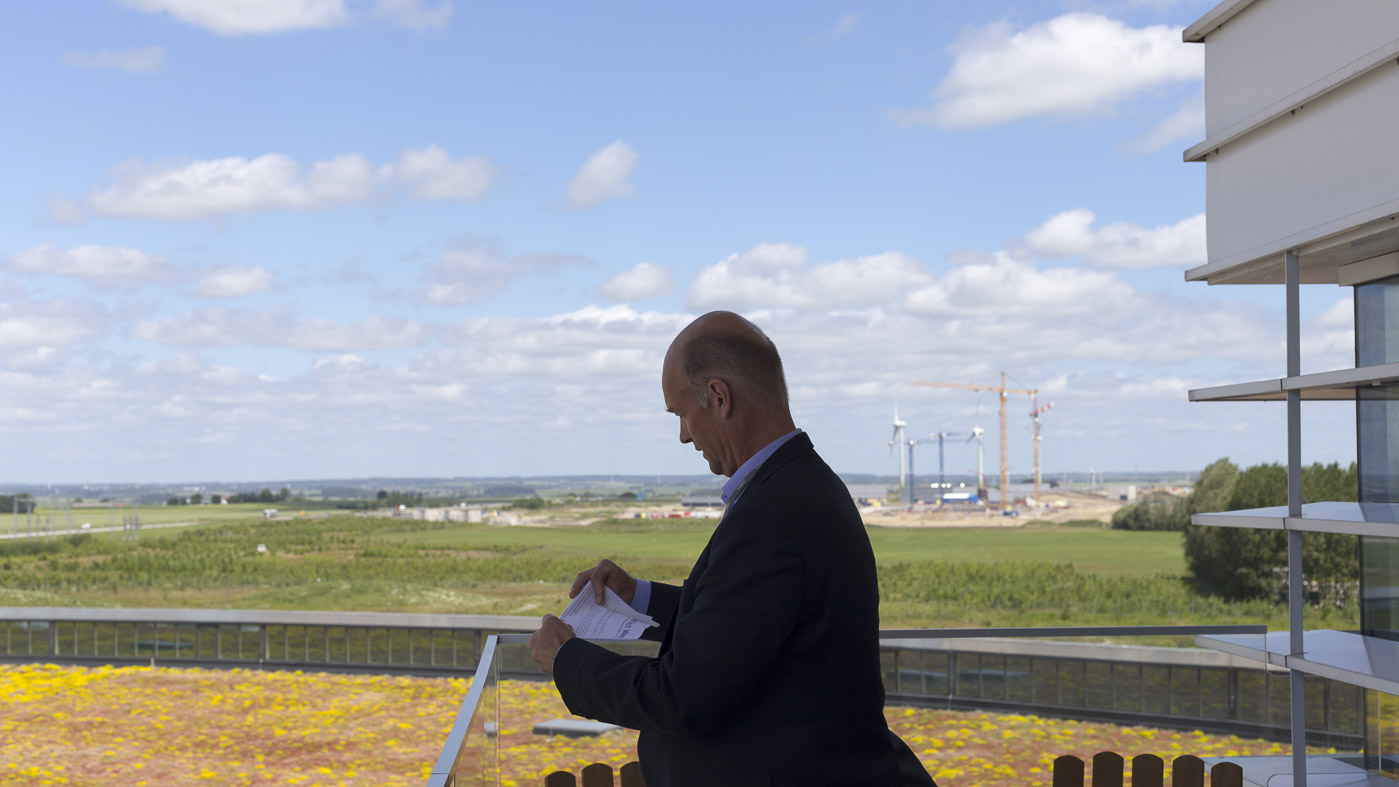
Our event took place in the university city of Lund, just outside Malmö. Here construction cranes rise high over the flat, windswept fields of Scania. Lund is under construction – or at least a new part of Lund is under construction. The university city itself looks back on nearly 600 years as a centre of learning. Just beyond, the foundations are being laid and construction is underway for the next 600.
A new international research centre – perhaps one should call it a research suburb – is being built. The area is so large because big machines are necessary for studying small things in detail. Things such as the connections between molecules and the parts of atoms. The new district will be a place of work for many people. Construction has been ongoing for seven years and there are several years left before it will be completed. When it is finished, the area will consist of three parts, the MAX IV laboratory, the ESS and the Science Village.
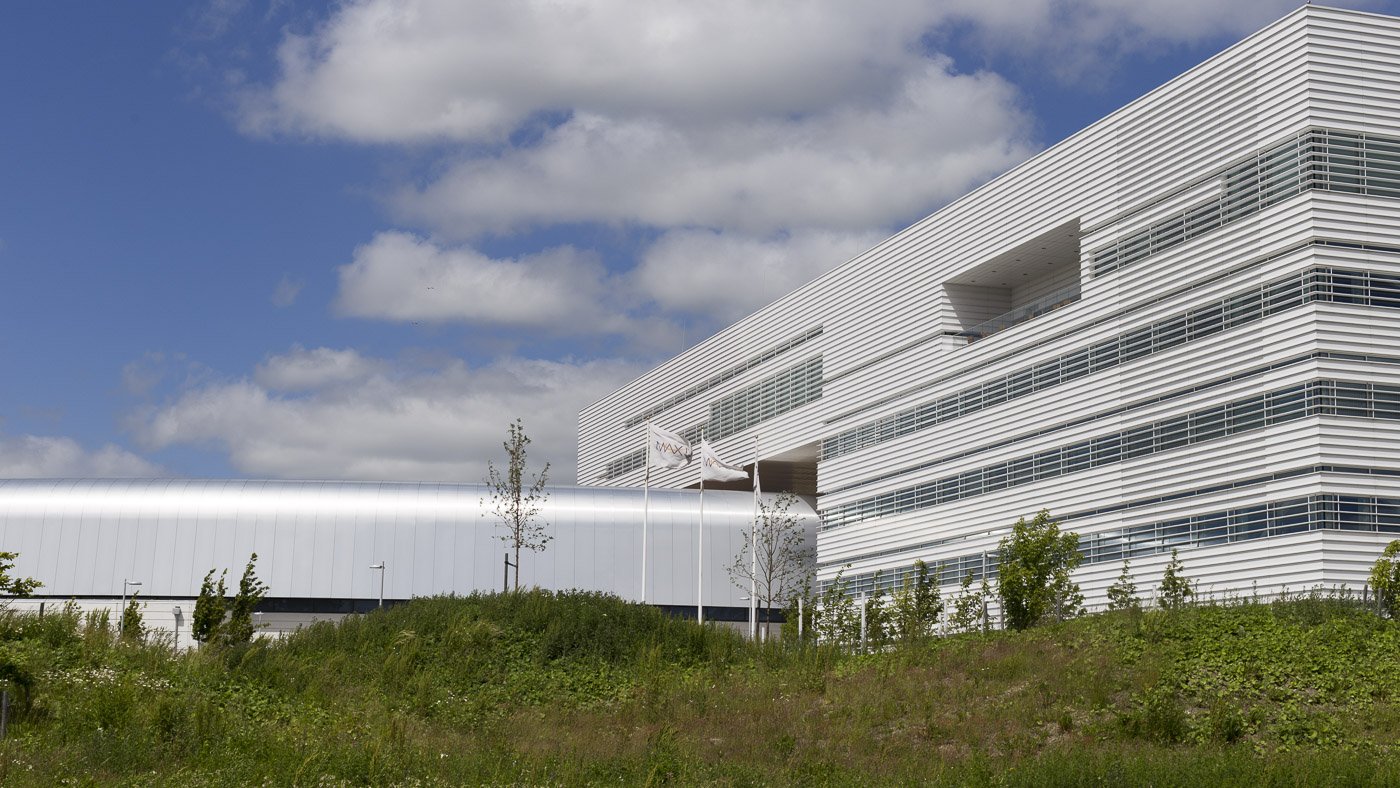
MAX IV, ESS, Science Village
Of the three, only one can be visited today. This is the MAX IV laboratory, easily recognised by its ring shape. Sweden’s new synchrotron radiation facility. The most powerful of its kind in the world, MAX IV is the next-generation replacement for three earlier synchrotron accelerators, the last of which closed in 2015.
Still building, the ESS (European Spallation Source) is going to be a multi-disciplinary research facility. It is being constructed around what will be the world’s most powerful pulsed neutron source.
Between the MAX IV and the ESS, a village – Science Village Scandinavia – is planned. This will be home for the thousands of researchers who are expected to visit, and to live and work at the two facilities.
One reason for placing these facilities just here is the ease of access to Kastrup airport in Denmark. Kastrup has direct connections in effect to the whole world. The airport is easily reached by train from Lund Central Station and work is underway to construct a tramline between the station and the ESS. At present it’s easier to take a bus.
A resource for companies in many fields
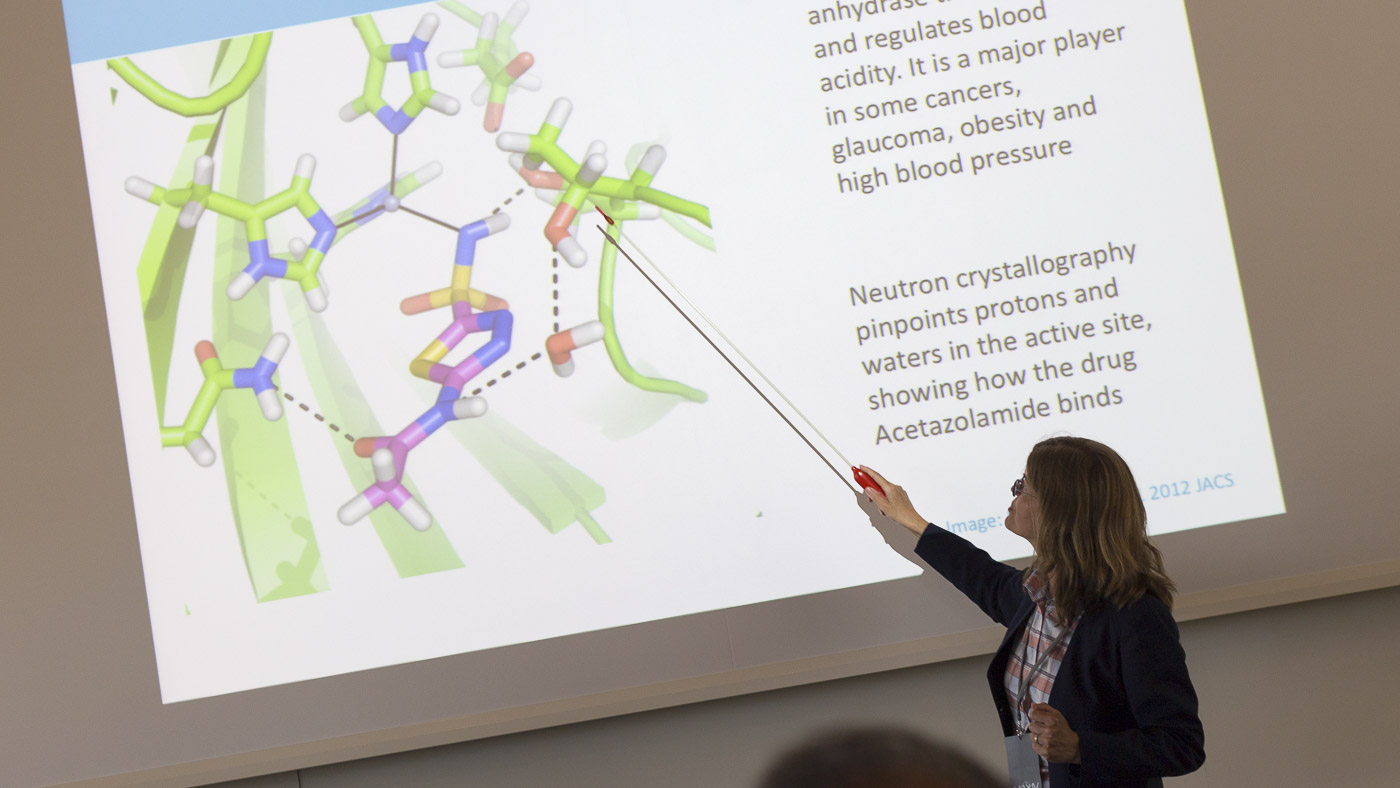
Our study visit in Lund was to learn more about how the ESS and MAX IV laboratory can be used in medtech research and development. The facilities can be seen as a smorgasbord of advanced instruments that will be able to measure things that were not possible to measure before. Using these instruments, researchers and companies can learn more about why materials or elements function as they do, something that can encourage the development of new products.
Swedish Medtech’s managing director Anna Lefevre Skjöldebrand touched on this in her introductory speech at the beginning of the afternoon. It is important to know what resources there are. And how they can be used by companies, national as well as international.
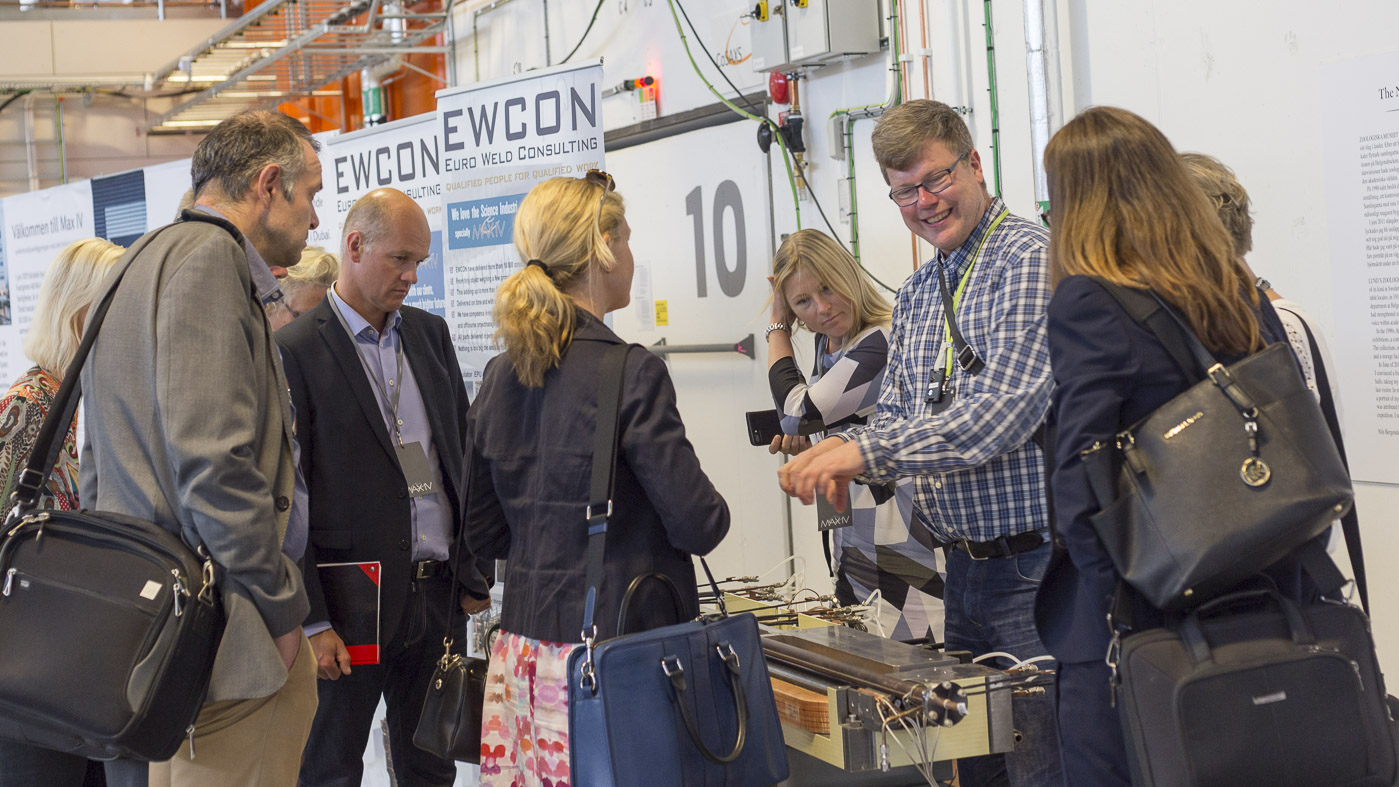
After Anna’s introduction we learned about the ESS from Sindra Petersen Åström, and about MAX IV from Tomas Lundqvist (who also took us on a tour of the facility later in the afternoon). Four other presentations were made by researchers of different aspects of medicine that could make use of the ESS technology: Martin Bech, Hanna Isaksson, Oskar Axelsson (Spago Nanomedical) and Anna Stenstam (CR Competence).
We could not have wished for a better conclusion to this year’s MedTech Week in Sweden. Our visit provoked many thoughts on the importance of a strong infrastructure for creating the conditions for the development of new medical technological products that will lead to better healthcare. Many thanks to the ESS, the MAX IV laboratory, Swedish Medtech and Invest in Skåne for an interesting programme.
A fuller report of this event, together with more pictures, is available here. (In Swedish.)

AKTUELLT
Årets vinnare av Medtech4Health Innovation Award: Suturion
Medicinteknikbolaget Suturion vinner årets Medtech4Health Innovation Award och tilldelas 100 000 kronor för sin innovation SutureTOOL. Samtidigt tilldelas Nil Medical Patientens pris för Nil Medical Vestpack.
Svensk egenprovtagning väcker globalt intresse – växte fram med stöd av Medtech4Health
Capitainer har med stöd från Medtech4Health utvecklat en lösning för egenprovtagning av blod, urin och plasma i hemmet. Under Covid-19-pandemin väckte tekniken stor internationell uppmärksamhet genom att möjliggöra säker insamling av blodprover i hemmet för laboratorieanalyser av antikroppar.
Årets finalister i Medtech4Health Innovation Award – tidig demensutredning, infusionsväst för barn, och kirurgiskt verktyg för bukoperationer.
Årets finalister i Medtech4Health Innovation Award är klara och de tre medicintekniska lösningarna som kan bli vinnare av Innovation Award och Patientens pris är Geras Solutions, Nil Medical och Suturion.
Så tar du del av AIDAs AI-satsningar under 2026
Medtech4Healths strategiska projekt AIDA har målet att stärka införandet av AI inom medicinsk bilddiagnostik genom utbildningar, nya projektutlysningar och mötesplatser för samverkan. Här är programmet inför 2026.
NYHETSBREV
Följ nyheter och utlysningar från Medtech4Health - prenumera på vårt nyhetsbrev.
